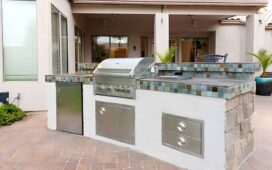

Designing an outdoor kitchen sounds exciting at first. Then you realise, there are more decisions than you expected. Layout, storage, weather, movement, and where people will stand while you cook. It is not just about putting a grill outside. It is about creating a space that actually works when you use it.
Here is how to think it through without overcomplicating it.
Start with the Layout (It matters more than you think)
Outdoor kitchens usually follow a few simple shapes. The trick is choosing the one that suits how you cook, not just how it looks.
- Straight-line layout – Perfect for smaller patios or along a wall. Everything in one neat run.
- L-shaped design – Gives you a cooking corner and a bit of breathing space.
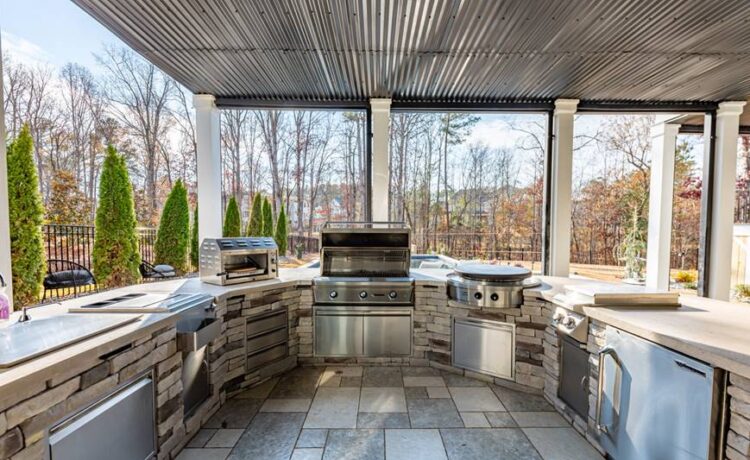
- U-shaped kitchen – For those who prefer prep space and storage. You are enclosed by everything.
- Island style – Turns cooking into a social event. Guests naturally gather around.
You do not notice the difference on paper. You really notice it when you are carrying trays, turning food, and trying not to bump into people.
Why Modular Cabinets Make Life Easier
This is where things get practical. Cabinets are often the part people underestimate, and later regret.
Whistler Fairford outdoor modular kitchens are a good example of how modular design solves that problem. Instead of forcing cabinets into your space, you build around what you actually have. Add units. Shift things later. Expand when needed. No ripping apart the whole setup. You can also look at the webpages of BBQs2u to freeze your plan.
That flexibility quietly becomes one of the best decisions you make.
Materials That Can Handle Real Weather
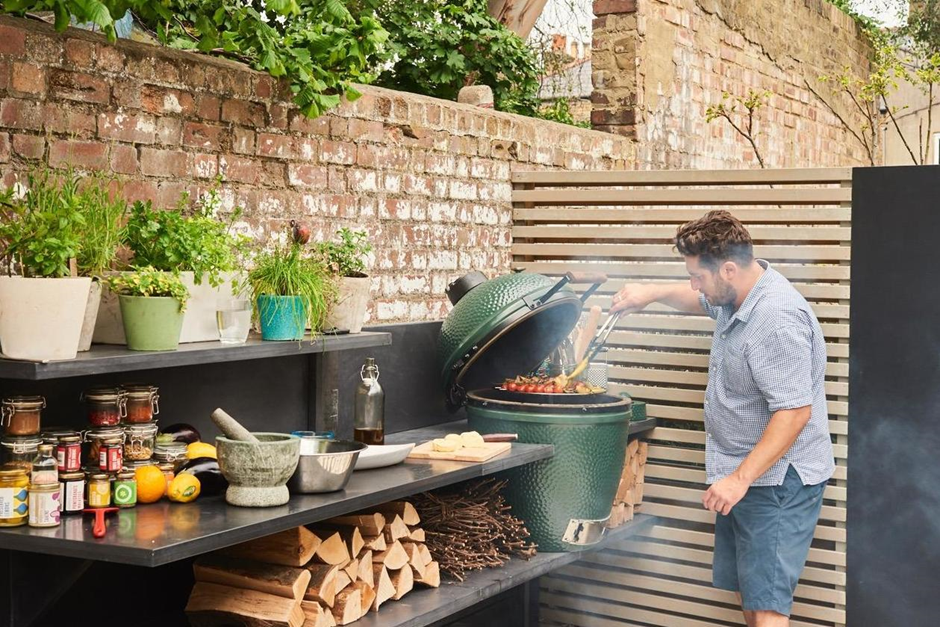
Outdoor cabinetry needs to behave like outdoor furniture, not indoor cupboards dragged outside.
Look for:
- Powder-coated aluminium that will not rust
- Marine-grade stainless steel for strength
- Waterproof polymer boards that do not swell
- Sealed joints and raised legs to avoid water sitting underneath
Skip this part, and you will see wear within a season or two.
Storage Features You Will Appreciate Later
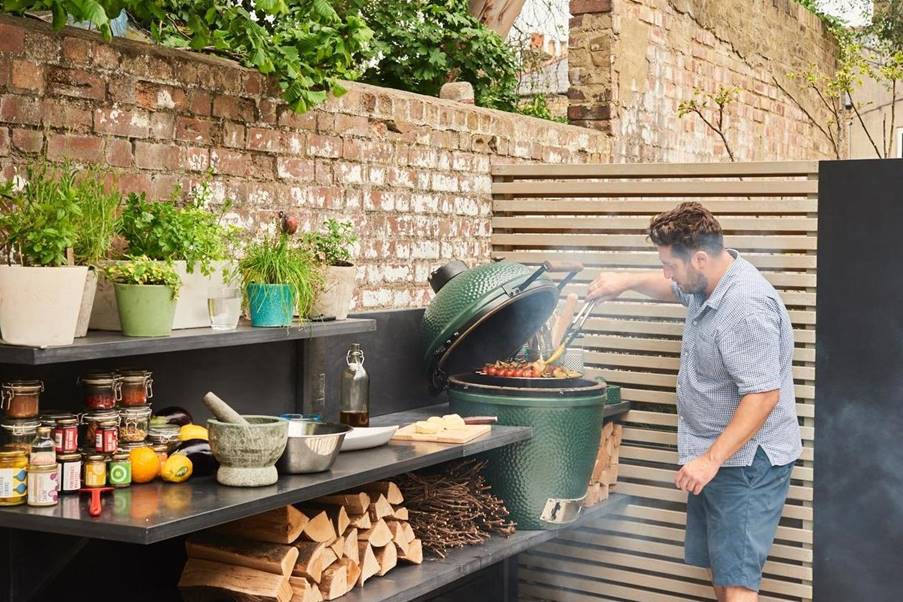
These seem small. They are not.
- Deep drawers for tools and trays
- Ventilated sections for gas bottles
- Pull-out bins and shelves
- Soft-close hinges that survive humidity
- Adjustable shelving for awkward gear
These details save constant trips back inside the house.
A Closer Look at Practical Outdoor Cabinets
The Whistler Fairford cabinet range often gets attention because it is clearly designed for outdoor life, not adapted for it. Solid build. Weather-resistant finish. A clean look that does not feel temporary. Browsing examples on BBQs2u helps visualise how separate units come together into a proper, working kitchen rather than a row of random cupboards.
Before You Choose, Think About This
- How often will you actually cook outside?
- Do you want seating built into the layout?
- Is storage more important than prep space?
- How exposed is the area to rain and sun?
- Might you expand the kitchen later?
Get these answers right, and the kitchen will not feel like an add-on. It will feel like it was always meant to be there.Top of Form